

What Is Super Hydrophobic Paint?
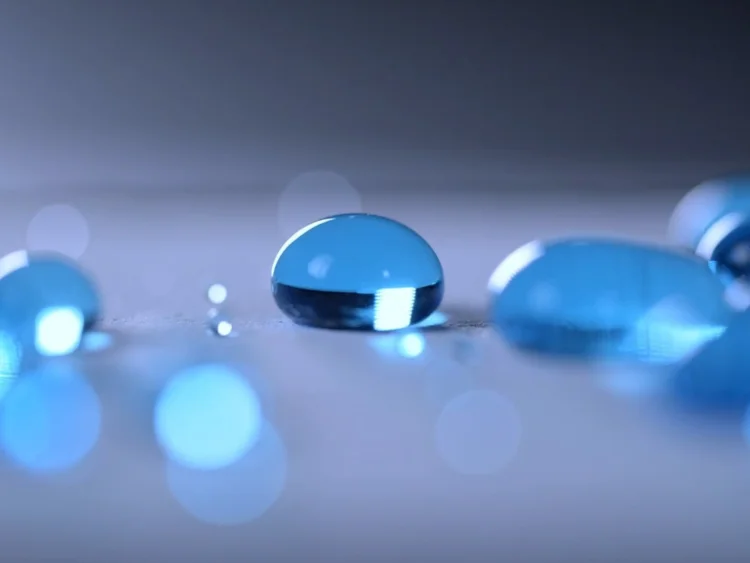
Super hydrophobic technology is revolutionising the paint and coatings industry, but what does super hydrophobic mean, what is a super hydrophobic paint and how can it benefit you? In the guide we are going to answer all of these questions and much more.
In this guide we will cover:
- What does super hydrophobic mean?
- What is super hydrophobic paint?
- What paints are super hydrophobic?
 Key takeaways
 Key takeaways
- Super hydrophobic surfaces repel water so effectively that rain simply beads and rolls away.
- Keeping exterior walls dry helps prevent damp, cracking, paint failure and long-term weather damage.
- Only a select number of highly advanced masonry paints are able to repel rain using super hydrophobic technology.
What Does Super Hydrophobic Mean?
The term ‘super hydrophobic’ refers to a type of extreme water-repellency that causes water droplets to forms a spherical beads that simply roll off, leaving the surface dry.
You may be wondering where the name super hydrophobic comes from. ‘Hydrophobic’ is commonly known as something that lacks an affinity for water, more specifically either something that is insoluble in water or something that repels water.
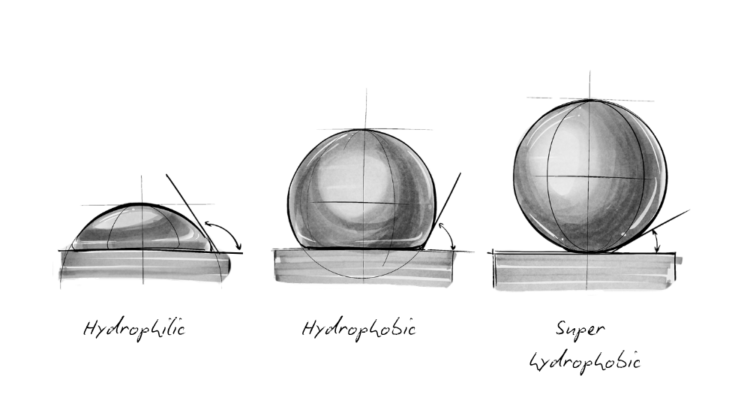
The way a water droplet interacts with a surface determines whether it is hydrophobic. This is measured by the contact angle between the surface and a drop of liquid. The higher the contact angle the higher the hydrophobicity of a surface. A surface is ‘hydrophilic’ when the water contact angle is less than 90°, ‘hydrophobic’ when the water contact angle is between higher than 90° and ‘super hydrophobic’ when the water contact angle is higher than 150°.
What Is Super Hydrophobic Paint?
Now we have established exactly what a super hydrophobic surface is, let’s discuss what a super hydrophobic paint is. Recognising the power of super hydrophobic technology, we developed our cutting-edge super hydrophobic formulation to create a range of exterior paints and coatings that keep buildings dry.
We achieved this using advanced silicone resin based nano-technology. On a microscopic level, our technology contains millions of tiny pyramids that are naked to the human eye. When the water hits these pyramids, the contact angle is so small that the water cannot attached itself to the surface and simply rolls away. This means that when water is applied to our paints and coatings, it is completely repelled without wetting the surface.
Why Use Super Hydrophobic Paint?
UK homes must endure a lot of poor weather conditions, including rain on average 156.2 days a year. Many properties, especially older ones, struggle to keep the moisture out. Although features like gutters and damp-proof courses help direct water away, external walls remain vulnerable. Wind-driven rain can soak into masonry, causing penetrating damp as water seeps through pores and gradually saturates the wall.
Despite the assumption that walls are waterproof, all bricks are porous, and some are highly so. Even painted walls absorb moisture because standard masonry paints aren’t fully waterproof. Over time, repeated rainfall can lead to water transfer into the wall, increasing the risk of damp, damage, and deterioration.
Damp
As the name would suggest, the primary impact of penetrating damp is wider damp problems on internal walls. When the moisture enters the external wall it continues to saturate the surface and gradually makes its way through the wall. This transfer of moisture in turn can saturate the internal wall of the property, leading to damp patches, crumbling plaster and peeling wallpaper.
This is most common with solid wall properties as there is no barrier to stop the movement of moisture. As the name would suggest, it is one singular solid wall from exterior to interior. Cavity walls were later developed in order to prevent this transfer by creating a gap between the exterior and interior walls, however the introduction of cavity wall insulation has led to these properties also suffering from internal damp. This is because when the insulation is poorly installed without a gap between the external wall and the insulation itself, moisture can bridge between the two walls and cause damp.
Damage
Damage to external walls is a key indicator and subsequent symptom of water ingress. When water enters an external wall, it can undergo what is known as a ‘freeze-thaw cycle’. This happens when the water freezes as temperatures drop, causing the water to expand. This results in movement within the wall that can lead to a loss of structural integrity. Parts of the brick and mortar can crack and become weak, while spalling can also occur to the brick faces. When this damage starts, it can allow further moisture to enter the wall, which continues the damage cycle. This movement is why cracked render is a common sign of water damage.
Deterioration
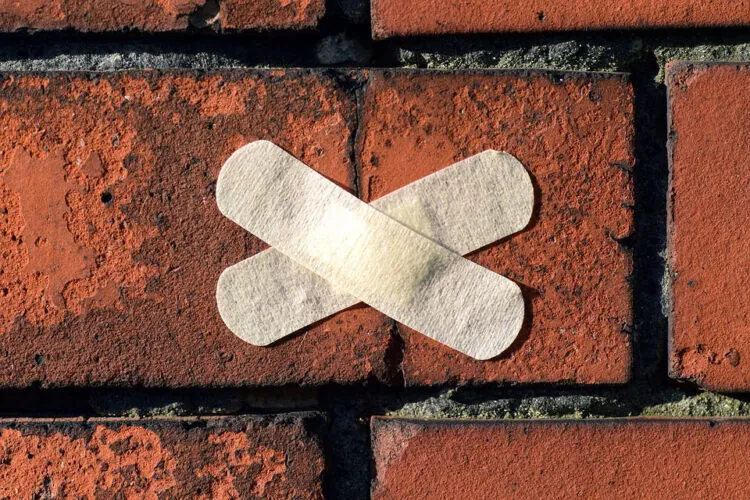
The easiest way to spot water absorption on external walls is general wear and tear, which affects both painted and unpainted surfaces. A common sign is efflorescence, which is a white, powdery deposit on bare masonry, caused by water- soluble salts travelling to the surface as moisture evaporates. While mostly cosmetic, it indicates moisture within the wall.
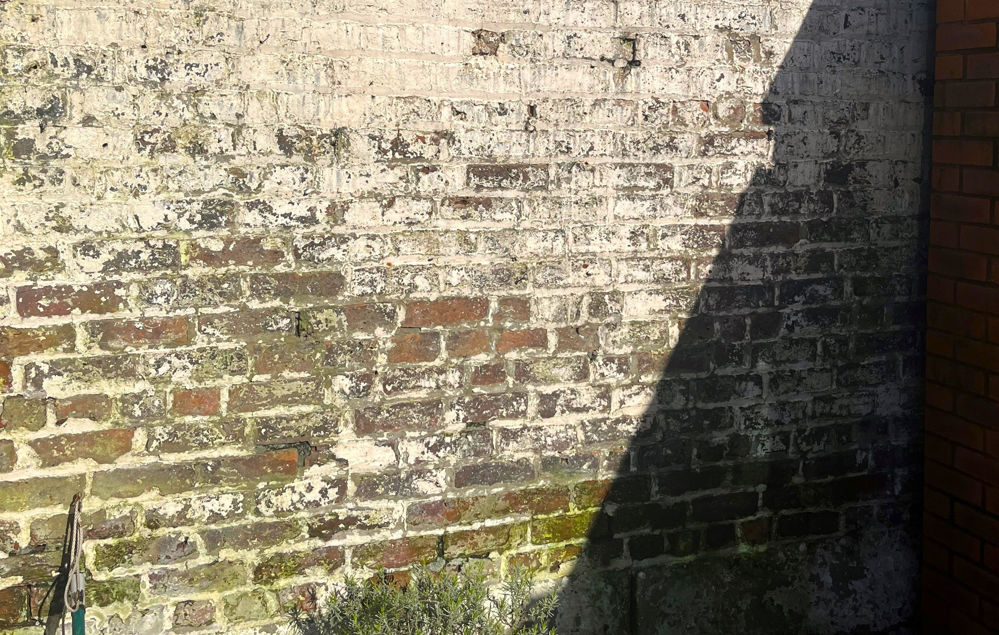
Moisture can also lead to paint failure, as trapped water lifts the paint film and causes peeling, flaking and blistering. Another sign is organic growth such as mildew, moss and algae, which thrive on damp surfaces. As brick manufacturer Wienerberger states, these growths can trap water against the brick, increasing the risk of frost damage.
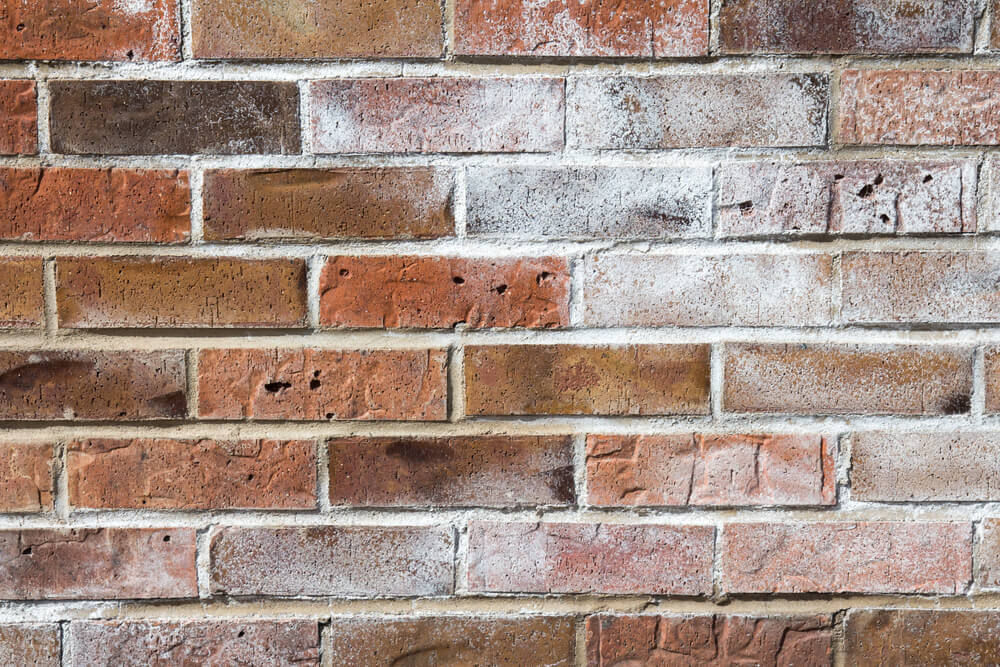
Organic growth is more common on bare brick but can also appear on painted walls, especially in shaded areas. Since all these issues stem from water absorption, using super hydrophobic paints and coatings helps keep walls dry and protect properties from these moisture-related problems.
Is Super Hydrophobic Paint Breathable?
While keeping external moisture out is essential, it’s just as important that moisture generated inside the home, through cooking, showers, drying clothes and more, can escape. External walls also often hold moisture from weather exposure, so breathability is essential.
Breathability refers to how easily air and water vapour move through a surface. Low-breathability products trap moisture, which can worsen damp issues, especially in older buildings that use weaker, more porous materials.
Two product types commonly linked to poor breathability are plastic paints and sealers. Modern acrylic masonry paints offer only limited breathability and typically fail after 1-10 years, due to trapped moisture. Sealers form a water-repellent film that blocks the pores of the masonry, making the wall almost impermeable to vapour.
Emperor nano-technology avoids this by lining, rather than sealing, the pores. This super hydrophobic surface repels water, while microscopic gaps between the pyramid structures allow vapour to pass freely. This creates a highly breathable, open-pore coating.
Breathability is measured using SD values. Anything below 0.5 is considered breathable. Independent testing found Emperor products have an SD value of 0.03, which is similar to limewash. By contrast, many modern plastic paints exceed 0.5 and often do not disclose their SD value.
What Products Are Super Hydrophobic?
Our super hydrophobic nano-technology was uniquely formulated to keep exterior surfaces dry and protected. Because both bare and painted walls are vulnerable to penetrating damp, we developed two specialist masonry products.
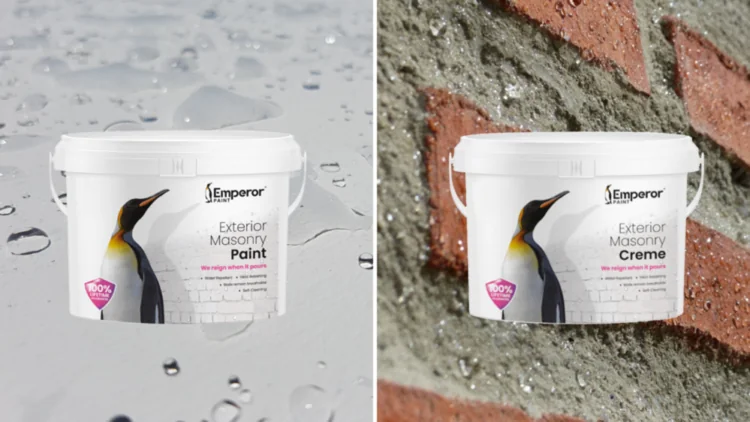
Emperor Masonry Paint – A silicone-based coloured coating suitable for both bare and previously painted walls.
Emperor Masonry Creme – An invisible treatment that preserves the natural look of bare masonry.
Both products were independently tested by a UKAS-accredited laboratory in a 25-year accelerated weathering test and showed no change in performance or appearance. This proven durability is why we offer a lifetime guarantee.
They also improve energy efficiency. Damp walls lose heat quickly, just 5% moisture can cut insulation performance by 50%. By keeping masonry dry, Emperor products reduce heat loss, with testing showing untreated walls were up to 6°C colder than treated ones.
Read more: Super Hydrophobic
Frequently asked Questions
Does this mean that standard masonry paint absorbs water?
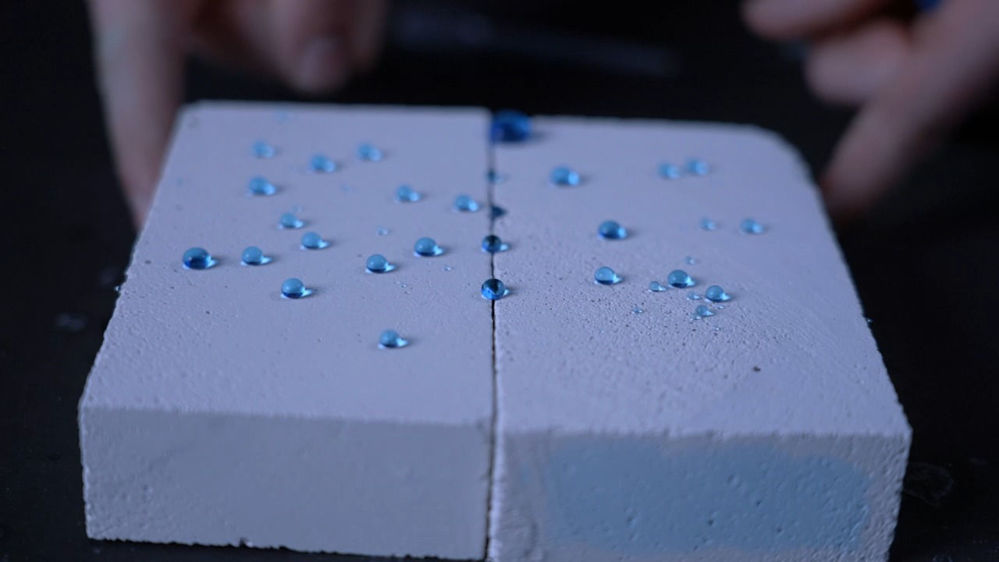
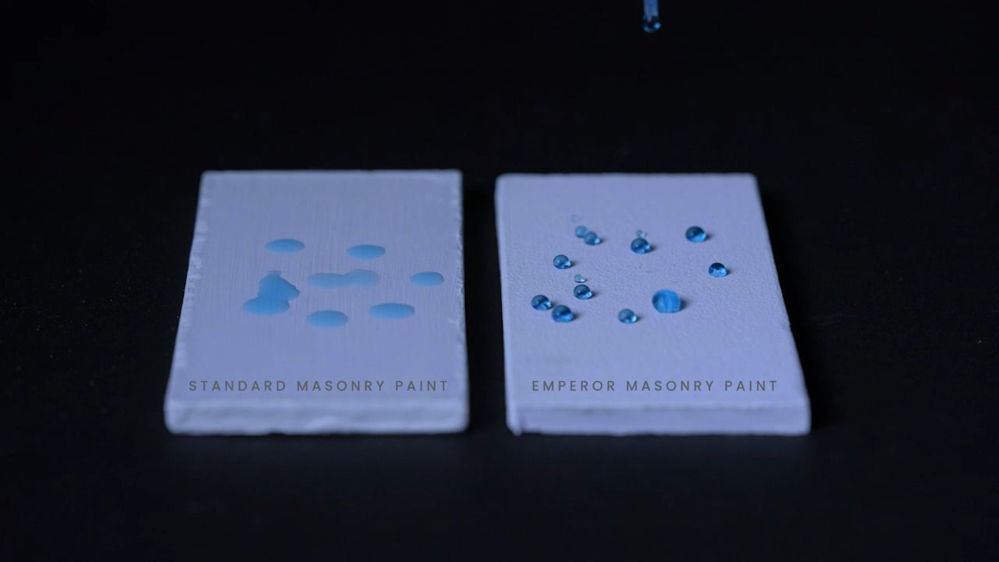
Yes, standard masonry paints will absorb much more moisture over-time. Below is a direct comparison between a leading standard masonry paint and Emperor Masonry Paint. The beads of water on the super hydrophobic surface created by Emperor Masonry Paint will simply roll off, while the water applied to the standard masonry paint will stick to the surface and eventually slowly soak into the substrate.
Can I apply a super hydrophobic paint myself?
Both Emperor Masonry Paint and Emperor Masonry Creme are quick and easy to apply, meaning anyone can make their exterior walls super hydrophobic.
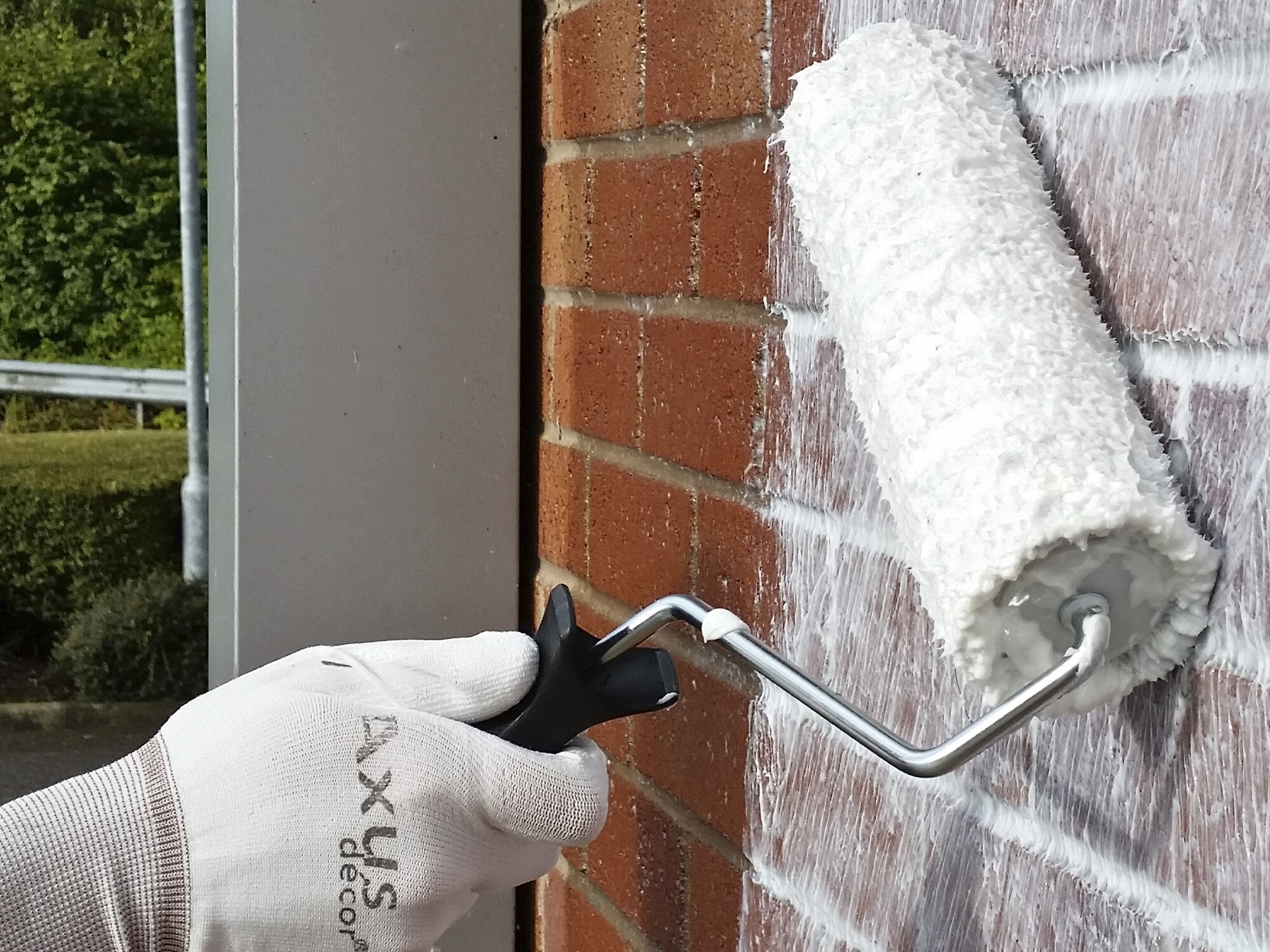
Emperor Masonry Paint is applied like any other coloured paint with a brush or roller. It can be applied directly to any previously painted walls or pre-coloured silicone renders, or to bare, unpainted surfaces with the use of our Emperor Exterior Primer. Read our full guide on how to apply Emperor Masonry Paint.
Emperor Masonry Creme is a little different to a paint, but no harder to apply. It comes as a white gel that you simply lay on to brickwork in one-coat and allow to absorb into the surface. After 1-2 hours, the bricks will be completely natural but will now have super hydrophobic properties. Read our full guide on how to apply Emperor Masonry Creme.
Are samples available?
Yes, we offer sample pots of both Emperor Masonry Creme and Emperor Masonry Paint for you to see the super hydrophobic effect for yourself.
We hope this guide has answered any questions you may have had regarding super hydrophobic paint. Want some technical advice or have a question on how Emperor super hydrophobic technology can protect your home? Contact our team of experts by calling 01254 936121, emailing [email protected] or by messaging us on Whatsapp.
Ready to start? Take our handy quiz to get personalised recommendations and find the right products for your project, or kickstart your project by ordering a sample of Emperor Masonry Paint.
This article was written by the Emperor Technical Team, a group of experts with an average of over 25 years experience in the building industry. They work daily with homeowners, tradespeople and specification professionals to deliver practical, expert guidance that promotes long-term results, supports wall health and helps create homes that are prepared for the future.


